;
Developments in the United States and Canada
Developments in the United States and Canada
After the ratification of the Constinution in the United States in 1788, things looked good for America. However, the Federalists and Republicans continued to argue over how the country should be led. The Federalists, led by Alexander Hamilton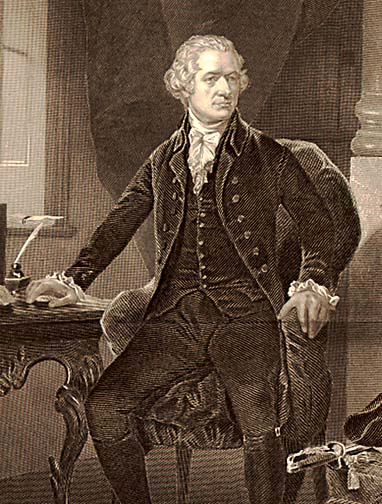 , favored a financial program that would lead to a strong central government while the Republicans, led by Thomas Jefferson
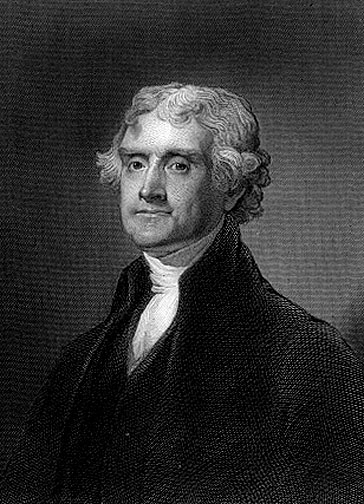 and James Madison
 , feared this strong central government and wanted some kind of balanced. The divison ended in 1812 however, with the war against the British. In 1828 Andrew Jefferson is elected, and removes the requirment of property to vote, successfully giving most white males in America a say in government. As well as this step forward, before it in 1808 the importation of slaves was banned. However, the slave market continues with those slaves already in the US, and the South finds itself dependant on those slaves to work their cotton fields. The North, in favor of abolitionism, puts pressure on the South and things heat up when in Novemember of 1860 Lincoln is elected President. Only 2 of 1109 counties in the South actually carried him. They eventually rebel, with South Carolina being the first to leave the Union in Decemeber 20th, 1860. The following year, 6 other states break off and in April of that year the fighting between the North and South begins. It lasts another 4 years, leaving a total of over 600,000 dead. However its not in vain, as on January 1st, 1863 Lincoln signs the Emancipation Proclamation, freeing all slaves. Theres still more going on to the north though, as Canada is constantly changing.
With the Treaty of Paris in 1763, Canada is formed under the control of Great Britian. However, there is a split. Upper Canada, all English speaking, doesn't get along to well with Lower Canada, which is mostly French speaking. The result is rebellion in both 1837, and again in 1838. Finally, in 1848, the two are joined together, but still under the control of Great Britian. This pleases some people, but not everyone. John Macdonald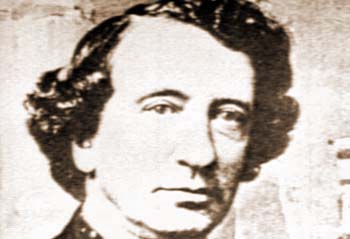 starts talking for self government. People start listening, and in 1867 Parliment passes the british North American Act which established Canada as a nation. However, they were still under British controls as Great Britian still controlled their foreign affairs.
Home